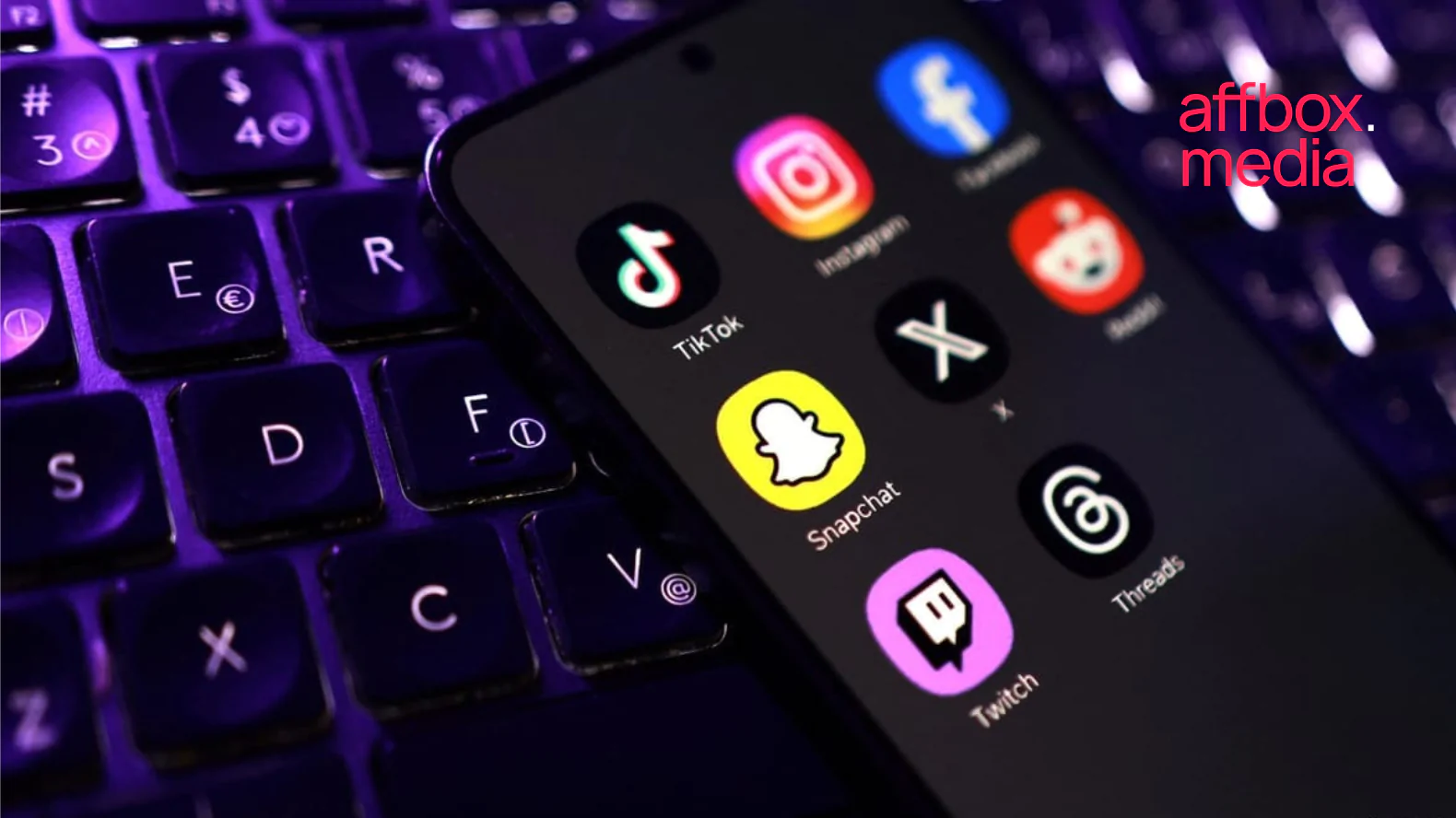

A traffic source is the platform or channel an affiliate uses to bring users to an offer. Sources are either paid (social ads, search ads, push, popunder, native networks) or free and low-cost (SEO, your own social accounts, Telegram, email). Your choice of source determines the starting budget, how fast you see results, how strict the ad review is and which verticals you can work with.
Below is an overview of the main sources with their pros and cons, a comparison table and tips on choosing your first one.
Traffic sources compared
| Source | Starting budget | Ad review | Speed to results | Best for |
|---|---|---|---|---|
| Facebook and Instagram | Medium and up | Strict | Fast | E-commerce, nutra, iGaming where allowed, apps |
| Google Ads | Medium and up | Strict | Fast | Finance, services, e-commerce, licensed iGaming |
| TikTok Ads | Medium | Strict | Fast | Apps, e-commerce, games |
| Push and in-page push | Low | Looser | Fast | Sweepstakes, apps, iGaming, nutra |
| Popunder | Low | Looser | Fast | Sweepstakes, utilities, apps |
| Native networks | Medium | Moderate | Medium | Nutra, finance, e-commerce |
| SEO | Time and content | None, but search guidelines apply | Slow | Almost every vertical |
| Organic social | Low, lots of manual work | Platform rules | Medium | iGaming, dating, nutra |
| Telegram and email | Requires your own audience | Almost none | Depends on your list | Almost every vertical |
| Influencers | Medium | Platform rules | Medium | E-commerce, apps, education, iGaming |
These are rough estimates: actual conditions depend on the GEO, the offer and each platform’s current policies.
Paid sources
Facebook and Instagram
The most popular source in media buying thanks to its huge audience and precise targeting. Meta’s algorithms learn quickly from conversions, so campaigns scale fast. The downside is strict ad review and frequent account bans. Our article on Facebook bans explains how to avoid them.
Google Ads
Search ads reach people at the moment they’re looking for a solution, so the traffic often converts better. Beyond search, Google offers YouTube, the Display Network and app campaigns. Policies are strict, and some verticals, including gambling and finance, require advertiser certification.
TikTok
A young, engaged audience, short videos and strong organic reach. Both paid ads and organic content work. Ad review is strict and creatives burn out quickly.
Push and in-page push
Push notifications reach users who subscribed to a website’s alerts. In-page push looks similar but appears inside the page and works on all devices. The upside is a low entry cost and cheap clicks; the downside is fast audience burnout and the need to filter traffic quality constantly.
Popunder
The offer page opens in a new window behind the main browser window. Traffic is cheap and plentiful but low-intent: the person wasn’t looking for the product. It works best for simple offers with a short funnel.
Native networks
Ads that look like recommended content on news and content sites. The user sees a headline and image that resemble editorial content and clicks through to an article-style prelander.
Free and low-cost sources
SEO
A site with reviews, rankings and how-tos that brings in visitors from search. Results take months, but the traffic is steady and almost free. For how SEO compares with paid channels in iGaming, see SEO, PPC, TikTok or Facebook: what works in iGaming.

Organic social
Running your own accounts and channels and growing an audience without paying for ads. It takes less money but much more manual work.
Telegram and email
Your own channels and newsletters are the cheapest traffic if you already have a list. The audience trusts the author, so conversion is high. Just don’t overload subscribers with promotions.
Influencers
You can run your own blog or buy placements from other creators. Personal trust drives results, but they depend heavily on the creator’s reach and audience quality.
How to choose your first source
- Assess your budget. With little money, start with push, popunder or free sources. Facebook and Google need a budget for testing and accounts.
- Check the offer. The terms list the allowed sources. Start with those only.
- Consider the vertical and GEO. Some verticals are banned on major platforms or allowed only in certain countries.
- Pick one source and master it. Spreading across several sources at once is a classic beginner mistake.
- Set up a tracker and measure ROI per source. See what a tracker and postback are.
Risks to keep in mind
- Account bans. Follow each platform’s ad policies. Trying to bypass review, for example with cloaking, ends in a ban.
- Fraud. Cheap sources carry a lot of bot traffic. Filter it and monitor quality.
- Audience burnout. Creatives and angles stop working and need regular refreshing.
FAQ
Which traffic source is best for beginners?
There’s no universal answer. With a small budget, people usually start with push or popunder; with no budget, with SEO, organic social or their own channels. What matters is to pick one source and learn it before moving on.
Can I use several sources at once?
Yes, once you have a working setup and can measure profit per source. At the start it tends to get in the way.
What’s the difference between paid and free traffic?
Paid traffic delivers fast results and scales easily but requires a budget and carries the risk of losses. Free traffic costs little money but takes time and delivers results more slowly.
What is incentivized traffic?
Users who take an action in exchange for a reward rather than genuine interest in the product. Many advertisers forbid it, so check the offer terms.
Learn more about how the industry works in what is affiliate marketing, and find an offer for your source in our affiliate program directory.